Z.ai (Zhipu AI) dropped SCAIL-2 on June 9th, and ComfyUI workflows went live June 13th via Kombitz and kijai's WanVideoWrapper node. The model transfers motion from any driving video to any reference character in a single end-to-end pass — no skeleton estimation, no pose extraction, no intermediate representation. It handles single characters, cross-identity replacement, multi-character scenes, and zero-shot generalization to animals, all under Apache 2.0 for clean commercial use.
Higgsfield's June 2026 update rebrands the platform as a "Creative OS" with automated model routing across Seedance 2.0, Kling 3.0, Wan 2.6, Veo 3, Sora 2, Hailuo 2.3, Flux Kontext, GPT Image, and Seedream 5.0. The app library now tops 80 purpose-built tools including Character Consistency across scenes, Face Swap, Lipsync Studio, and Product Placement. Claude and Adobe integrations are live; the platform is positioning itself as marketing infrastructure rather than just a generator.
Meta's content recognition now analyzes visuals, text, and audio together, and fully synthetic videos without editorial input risk algorithmic downranking on Reels. Instagram is also testing AI profile labels for accounts that primarily post synthetic content. Watch time and DM shares remain the two dominant ranking signals, meaning AI content that doesn't earn genuine organic engagement loses ground fast under the current system.
TikTok now detects AI-generated content automatically via C2PA Content Credentials, regardless of creator self-disclosure. Its 4-tier system assigns labels by degree of synthesis, and TikTok support has confirmed: "Once your content is labeled as AI-generated with an auto label, you won't be able to remove the label from your post." The compliance burden is shifting from creator intent to platform detection — and the platform's detection, not yours, is now the decision-maker.
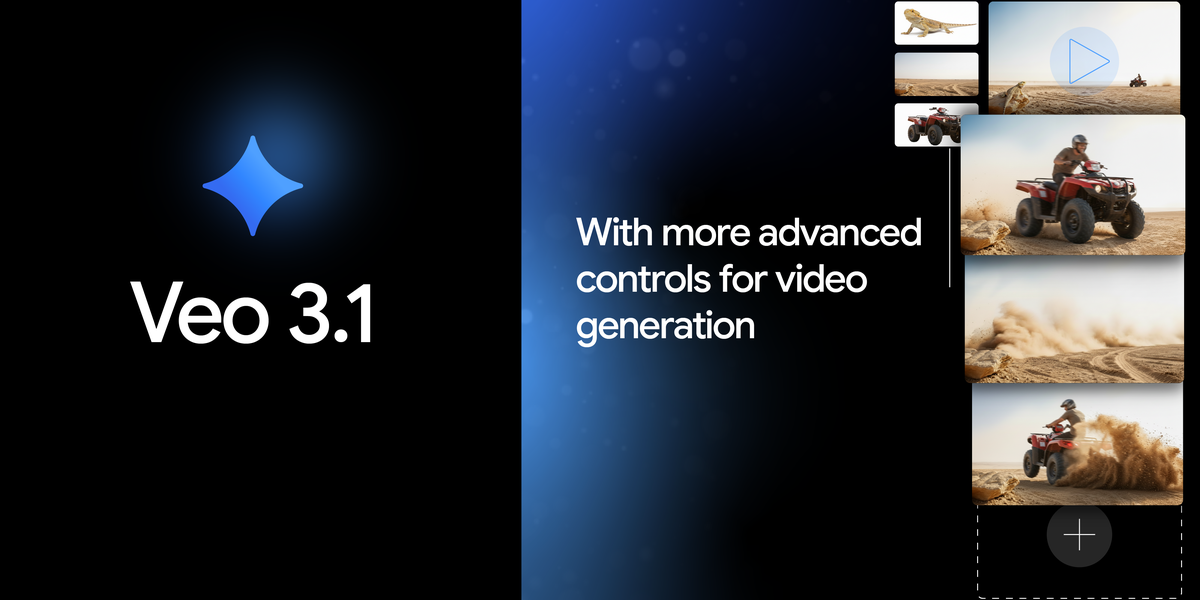
Google's most cost-efficient video model is now available on the paid Gemini API tier at $0.05 per second for 720p and $0.08 for 1080p — less than half the price of Veo 3.1 Fast at the same generation speed. Supports T2V and I2V with native audio generation, landscape and portrait formats, and video extension. For developers building high-volume video pipelines, the cost floor just dropped meaningfully.
Commercial AI video production in 2026 has converged on what practitioners are calling "Technical Orchestration" — structuring prompts across eight discrete control layers: subject, environment, style, lighting, camera motion, tempo, audio cues, and negative constraints. Creators applying this method consistently report better temporal consistency and fewer artifacts, especially across multi-clip character-consistent work. One variable changed at a time; negative prompts as a standard element, not an afterthought.
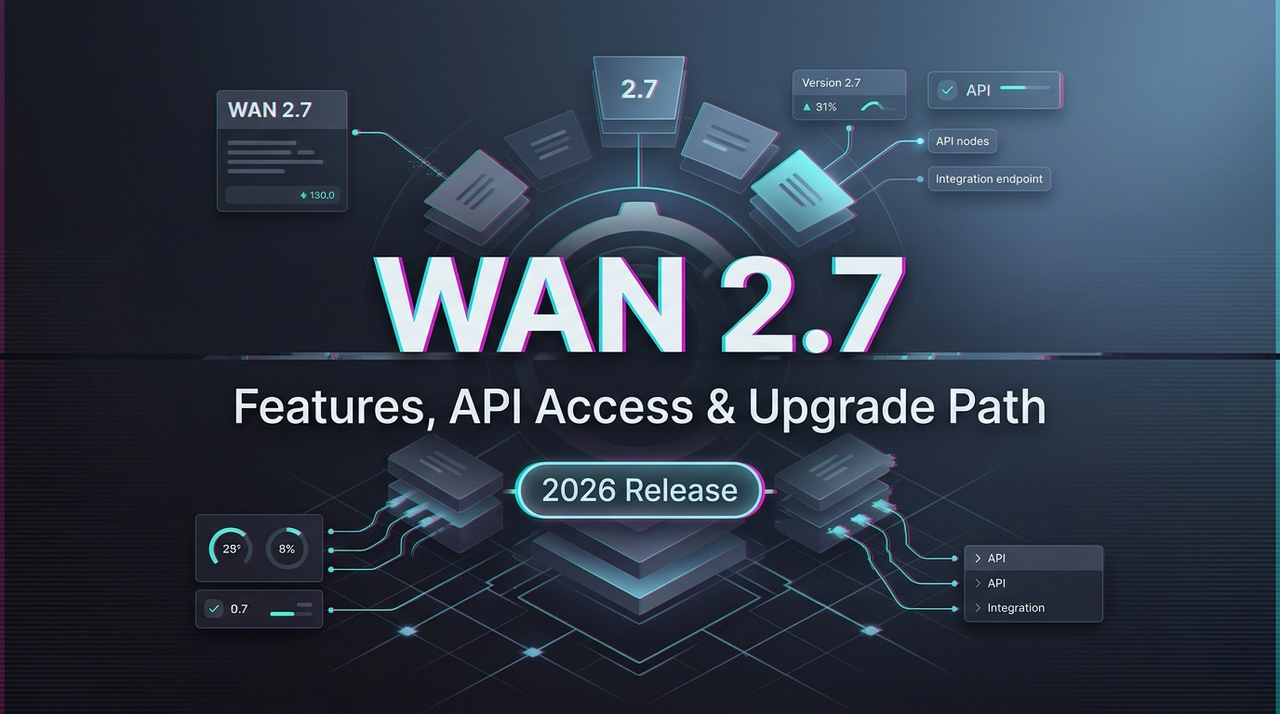
Alibaba's Wan 2.7 — a unified architecture covering image generation, image editing, and video under one 27B-parameter MoE checkpoint (14B active per pass) — has downloadable open weights on HuggingFace under Apache 2.0, with ComfyUI integration in place. Runs on 8-10GB VRAM GPUs. For local-first creators who need a legally commercial open-source model with no per-generation fees, this is still the strongest option on the table.
Alibaba's Taotian Future Life Lab — led by the former VP of Kuaishou who built Kling — continues to hold the top Elo scores on Artificial Analysis: 1,415 (image-to-video) and 1,357 (text-to-video). The 15B-parameter model outputs 1080p with joint audio-video synthesis and multilingual lip-sync. The public API opened April 30th; open weights remain promised but not yet released.
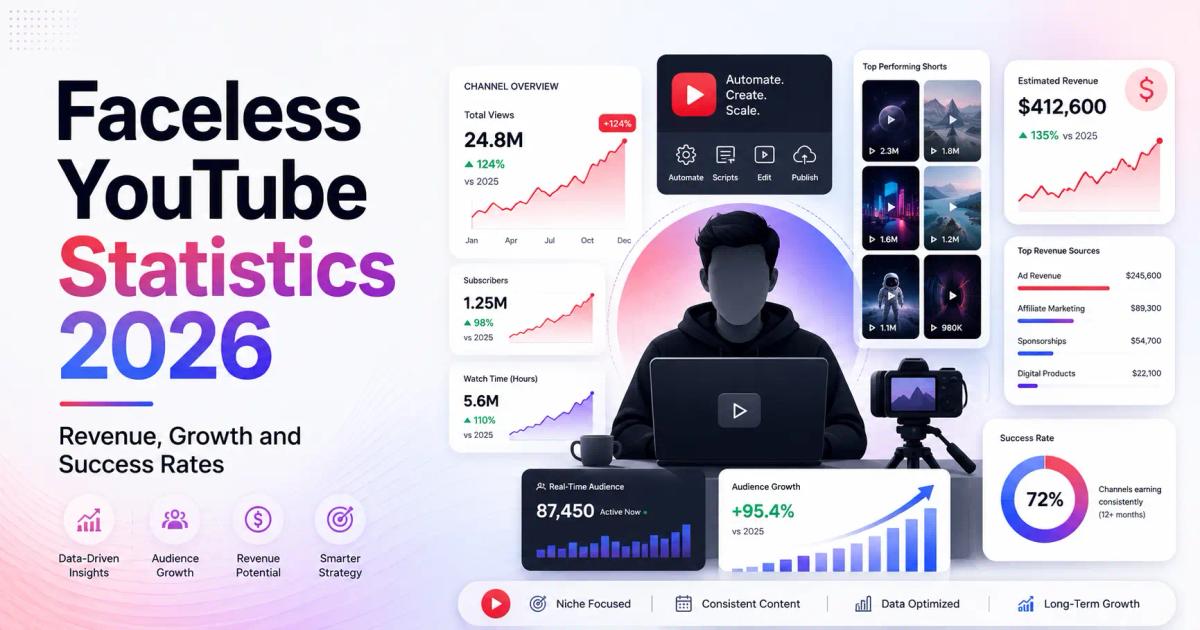
Current data on faceless AI channel performance shows the model is working at scale: one court-case documentary cost $250 to produce and earned over $20,000 from 5 million views. Finance, AI tools, and business-documentary channels are clearing $5,000–$50,000+ monthly from AdSense once past 100K subscribers. AI tools have reduced production costs roughly 80% from 2024 levels, though the ramp to monetization still takes 6-12 months of consistent posting.