The June 1 release of ComfyUI v0.23.0 officially ships the Subgraph feature, letting you bundle complex node chains into a single reusable node. Also new: Microsoft Lens GPT-OSS-20B text encoder support, TripoSplat for image-to-3D Gaussian splatting, MediaPipe face detection, dynamic VRAM tuning, and async model loading for faster startup times. If you maintain multi-step workflows, this release materially cuts maintenance overhead.
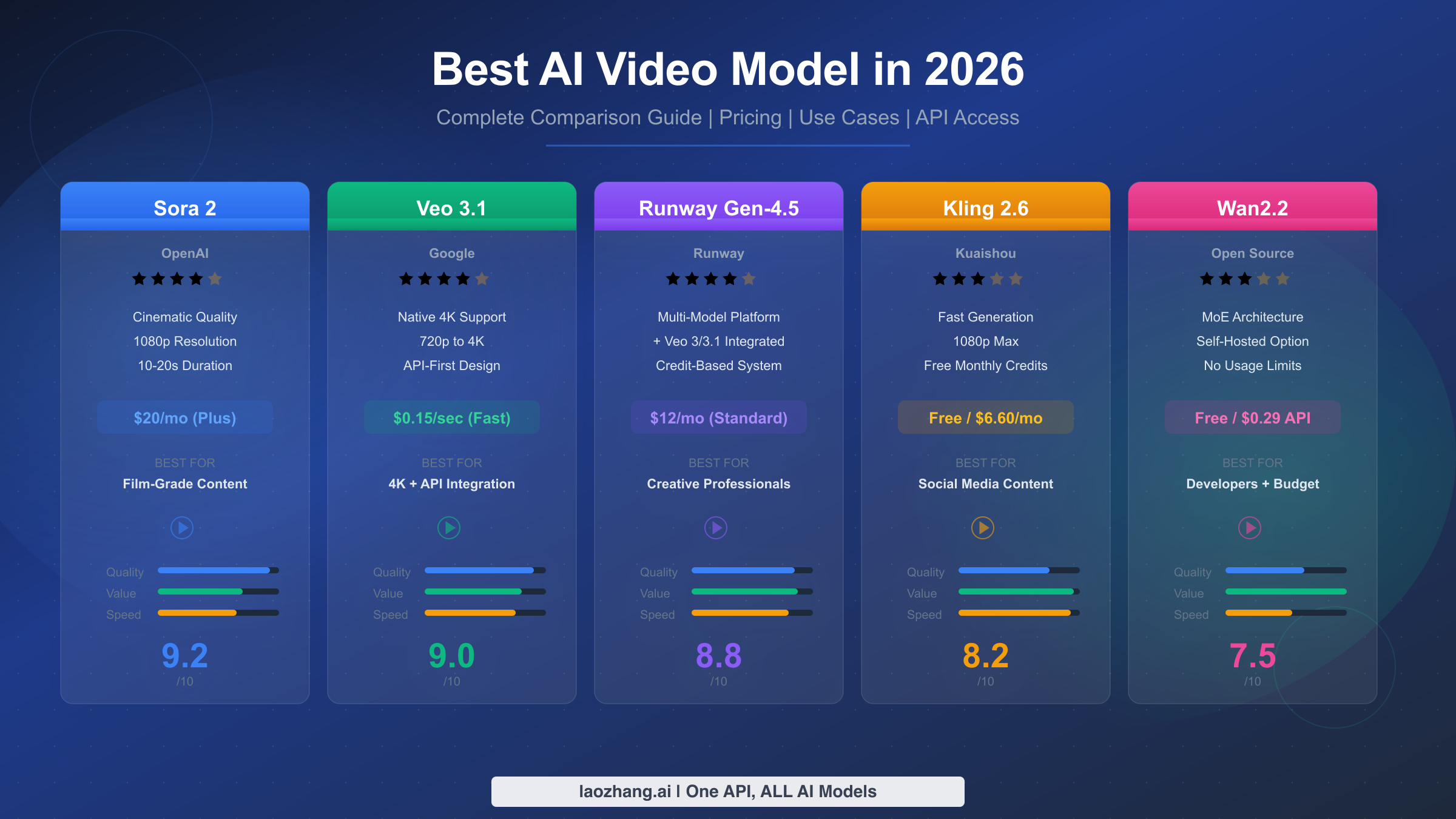
Wan 2.7 landed in March 2026 and is now broadly available via WaveSpeed AI and Alibaba DashScope. The headline feature is Thinking Mode — the model plans the shot before generating. You also get first-frame and last-frame anchor controls, native audio sync, and clips up to 15 seconds, triple the previous cap. The open-weight Wan 2.2 (5B, 720p/24fps, RTX 4090-viable) remains the local ComfyUI workhorse; 2.7 is the hosted leap forward.
Released June 3, xAI's first native image-to-video model hit the Artificial Analysis I2V Arena at 1,404 Elo — top of the board on day one. Outputs up to 720p at 15 seconds with native audio sync. Pricing is $0.08 per second at 480p and $0.14 at 720p. Consumer rollout is still reaching X Premium subscribers, but the API is live now.
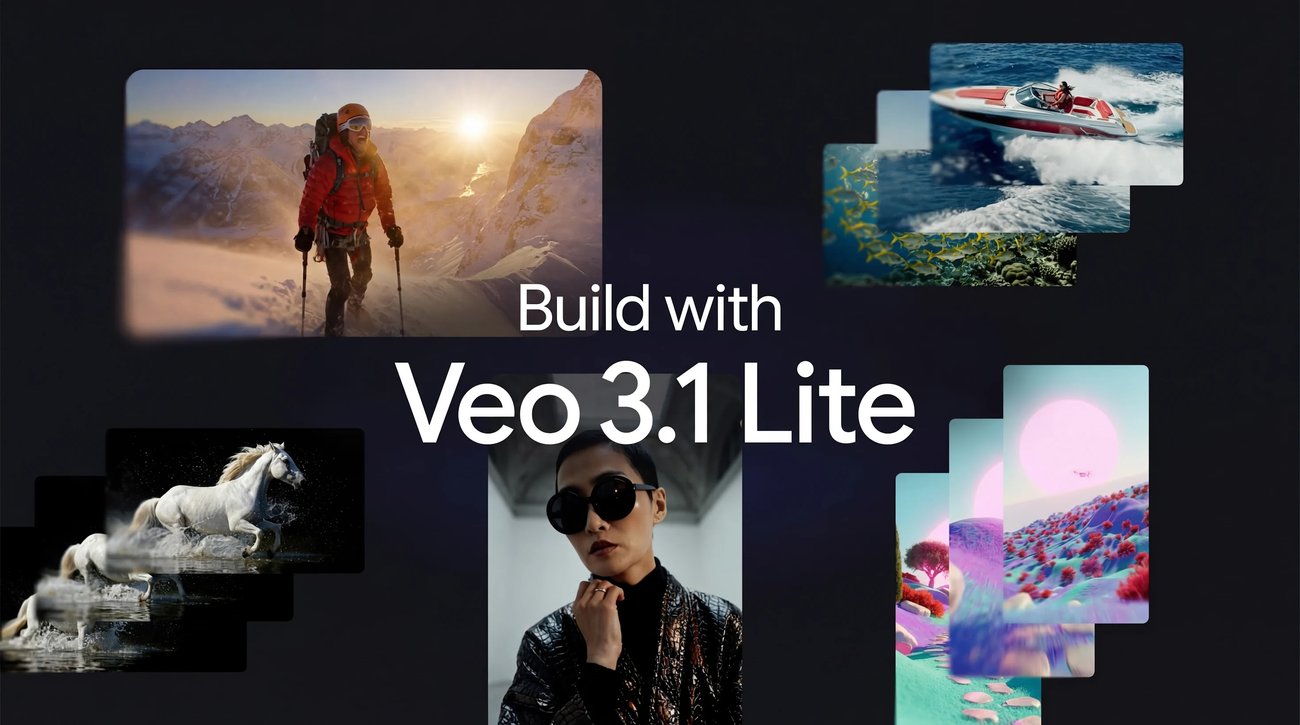
Google quietly dropped Veo 3.1 Lite this week, its most cost-effective video model yet, at less than 50% the per-second cost of Veo 3.1 Fast. The full Veo 3.1 holds the #3 spot on Artificial Analysis with best-in-class native audio including dialogue, SFX, and ambience, plus 4K output. Google Flow has now generated over 275 million videos since launching five months ago, and new per-clip scene editing controls just landed.
ByteDance's Seedance 2.0, which launched in February and accepts text, image, video, and audio simultaneously with multi-shot sequencing and lip sync, currently holds the top overall slot on Artificial Analysis with an Arena score of 2,074. The catch: Disney sent a cease and desist the day after launch alleging training on its works without compensation, and Paramount Skydance followed with claims covering Star Trek, South Park, and Dora the Explorer. Quality is real; the IP exposure is real too.
MiniMax pushed Hailuo 2.3 with targeted improvements to complex character body movement, physics-accurate camera motion, and new art modes including anime, ink wash, and game CG. Pricing stays flat with Hailuo 02. If you have established workflows on the Hailuo stack, this is a no-friction upgrade worth testing.
Gen-4.5 is Runway's current flagship and it is sitting atop the Artificial Analysis text-to-video benchmark. The claimed improvements are in physics simulation, fluid dynamics, and fine-detail textures — hair, fabric, liquids. Runway continues to position itself as the pro-grade controllable option for narrative and commercial work rather than chasing raw speed.
TikTok's 2026 AI content policy now uses C2PA Content Credentials for automated detection — meaning even if a creator forgets to self-disclose, the platform can tag the content from embedded metadata. The policy runs a four-tier label system and prohibits deepfakes of real people without labels entirely, with synthetic media of private individuals banned outright. This is the most structurally significant platform policy change in the AI content space this cycle.
OpenAI's Sora web and app experiences shut down April 26, 2026. The API remains alive until September 24. If you have any production integrations or workflows built on Sora's API, the migration clock is running.
2026 monetization data pegs established faceless AI video channels in high-CPM niches at $2,000 to $20,000 per month combining AdSense, affiliates, and sponsorships. YouTube Shorts pays $0.03 to $0.13 per thousand views depending on niche. AI production costs are down roughly 80% versus 2024, with most tool subscriptions under $30 per month. Creators using AI-driven revenue optimization report 35 to 60 percent earnings increases without publishing additional content.