The big drop for the open-source crowd: ComfyUI shipped v0.25.0 on June 16, adding native support for the Bernini-R video model, the SCAIL-2 character-replacement model, Depth Anything 3, and core 10-bit video input/output — a real upgrade for color-graded pipelines. A same-day v0.25.1 patch wired in Kling V3-Turbo through partner nodes, plus Runway Aleph2 and Krea 2 Medium Turbo. If you build around the graph, this is your week to update.
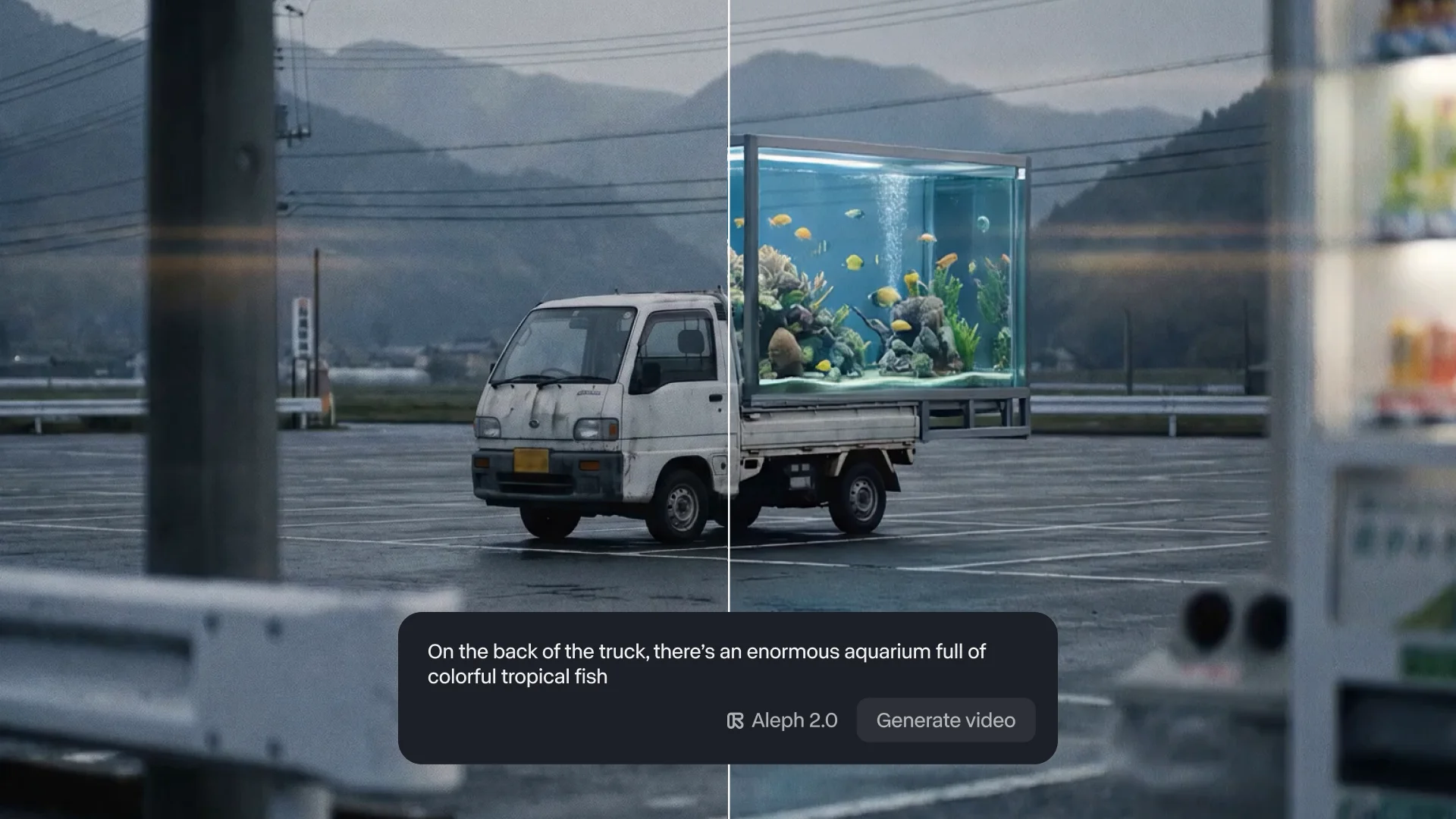
Runway's Aleph 2.0 is now live in the API as of June 2 and exposed as a ComfyUI partner node, letting you edit existing footage by text prompt with up to five keyframe images placed at specific timestamps. It handles 2-to-30-second 1080p clips, localized edits that preserve the rest of the frame, and multi-shot consistency — paired with the new Edit Studio product. This is "fix the footage you already shot" territory, not just generation.
The mystery model that climbed Artificial Analysis under an alias is confirmed as Alibaba's ATH unit. HappyHorse-1.0 currently leads the text-to-video Arena (no audio) at 1290 Elo, ahead of Seedance 2.0 720p at 1273, and the team says it's slated to go open source. For self-hosters, an open frontier-tier video model would be a genuine pipeline event.
ByteDance's Seedance 2.0 (launched Feb 12) keeps winning blind creator tests and image-to-video workflows, sitting near the top of Artificial Analysis with native single-pass audio. Independent head-to-heads still give Seedance the edge on naturalness, physical logic, and camera motion over HappyHorse. If you're shipping i2v today, this remains the default to beat.
Alibaba's Wan 2.7, released late March, does text-to-video, image-to-video, and native audio at up to 1080p/15s, and the open weights are downloadable for local ComfyUI use following Wan's Apache 2.0 pattern. The catch: it's a 14B model with a practical 24GB-VRAM floor. For anyone building a free, self-hosted stack, this is still the open-source anchor.
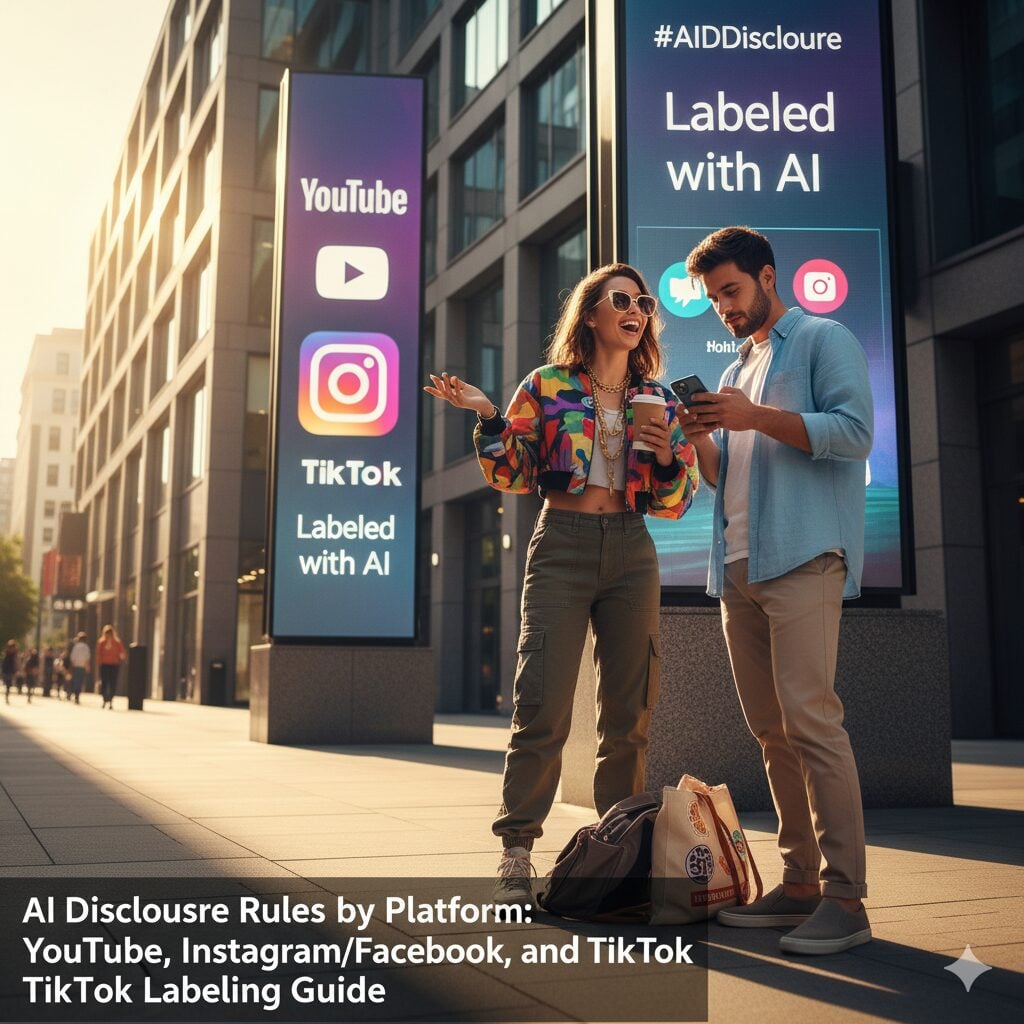
Meta merged its AI-content rules across Instagram and Facebook in February, now requiring in-post disclosure separate from the caption, and in May began testing an optional "AI Creator" profile and post label. Practically, that means your disclosure has to live on the post itself, not buried in copy. Plan your templates accordingly.
As of March, TikTok requires its built-in "AI-generated" label on any video that uses AI to create or significantly alter realistic depictions of people, places, or events — the most aggressive stance of the major platforms. Crucially, what needs a label on TikTok may need none on Instagram or YouTube, so compliance is now platform-specific. Build your cross-posting checklist around the strictest target.
YouTube's 2026 crackdown on "AI slop" took out 16 major channels in a January sweep — a combined 4.7 billion lifetime views and roughly $10M in annual ad revenue. The filter targets template clones, static-image music playlists, and faceless compilations with no human input; AI content with real scripts, custom voiceover, and genuine editing still monetizes fine. The bar is now "substantial human transformation" — treat AI as a tool, not the whole act.
For creators who need the same face and style across a whole sequence, the LTX-2.3 LoRA ecosystem keeps maturing — low-cost fine-tunes for custom characters, style transfer, multi-character consistency, and community camera-movement controls on top of Lightricks' base model. It's the budget path to brandable, repeatable looks without retraining a full model. Pair it with Wan or LTX in ComfyUI for a fully local consistency stack.