Lightricks' LTX Director node got a major 2.0 update this week, turning a generator into a free, open-source timeline editor that lives inside ComfyUI. You can now drag clips onto an IC-LoRA track, trim, split and combine on a timeline, extend shots with prompts plus keyframes, and use a new beta Retake Mode to regenerate just one selected segment instead of the whole clip. Audio Inpainting blends imported and generated audio so you can patch a soundbed without re-rolling the video.
Kuaishou shipped Kling 3.0 Turbo on June 17 alongside an Omni upgrade — a speed- and cost-optimized model at roughly $0.11/sec for 720p and $0.14/sec for 1080p, with audio and native lip-sync baked into the price across five languages. It does 3–15 second clips with multi-shot prompting up to six shots in a single generation, and the Omni editing pipeline now handles 3–15s and 4K on both input and output. For high-volume social work, audio-in-the-box at that price is the headline.
The June 16 ComfyUI release wired in Bernini-R, the new Wan video model, plus SCAIL-2 partner-node support and a jump to 10-bit video output for cleaner grades and fewer banding artifacts. It also bundles 3D preview nodes — PreviewGaussianSplat and PreviewPointCloud — signaling where the node graph is heading. If you run local pipelines, update and pull the new templates before your next batch.
At its Google I/O 2026 push, YouTube rolled Gemini Omni into Shorts Remix and the Create app at no cost — letting creators reskin scenes by prompt and image, like flipping a clip into a '90s vibe or inserting themselves beside another creator. Remixed Shorts carry digital watermarks, identifying metadata and links back to the original, with a likeness-detection opt-out for all creators 18+. A new "Ask YouTube" conversational search also surfaces structured answers across long-form and Shorts for Premium users in the U.S.
TikTok's 2026 policy now requires a visible "AI-generated" label on any realistic synthetic faces, voice clones, AI backgrounds or photorealistic products — and crucially uses C2PA Content Credentials to flag synthetic media automatically even when you don't self-disclose. Meta unified the same disclosure rules across Instagram and Facebook in February, and YouTube applies its own labels when it detects significant photorealistic AI. Script and caption assistance stays exempt, so the line is realistic depiction, not AI assistance.
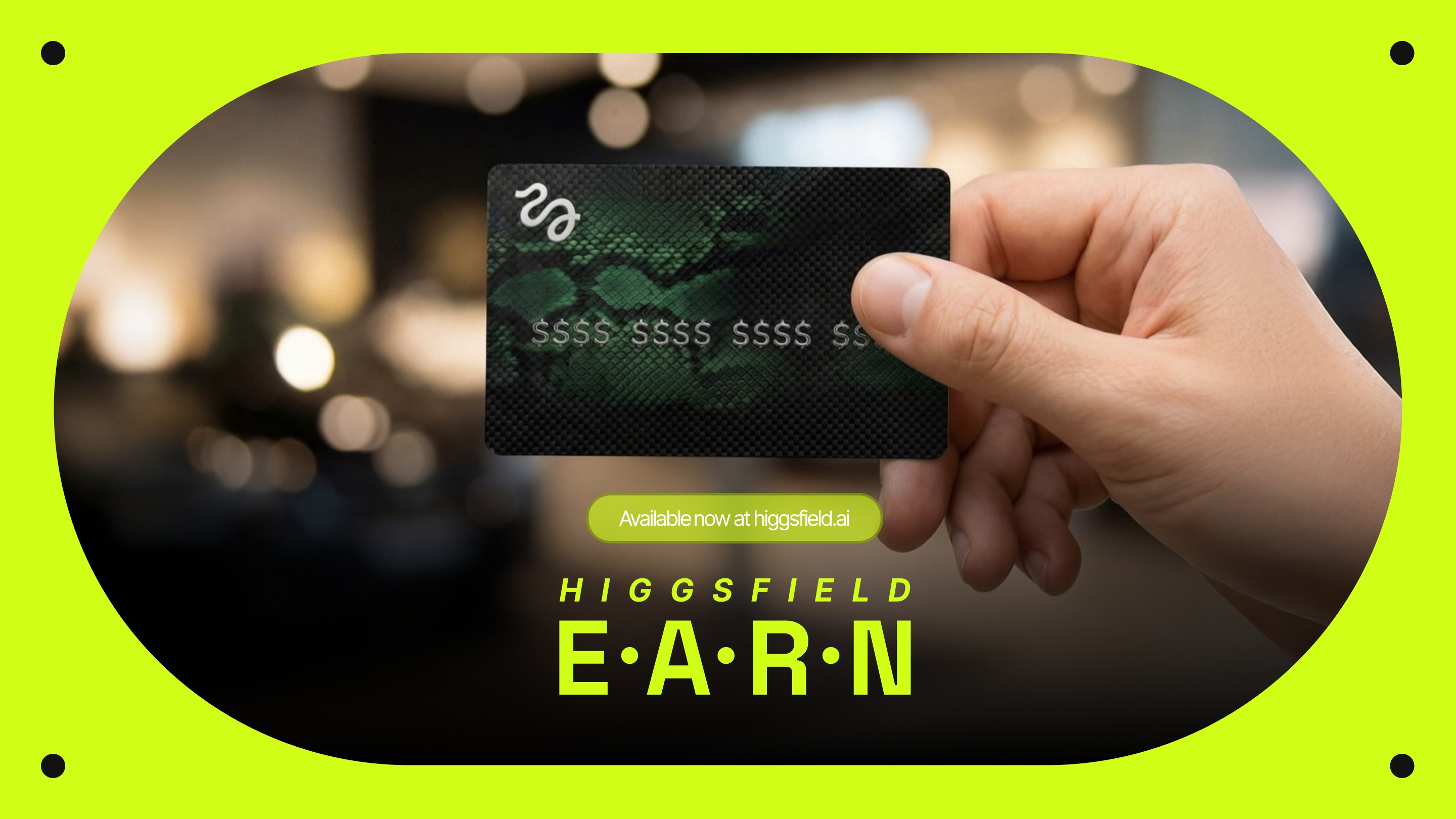
For creators chasing direct payouts, Higgsfield Earn runs paid campaigns tied to feature launches, with compensation scaled to reach. The fine print matters: a $1,000 cap on day one and a $2,500 lifetime maximum per video, with funds finalized and withdrawable after the Day 7 milestone. It also lets you monetize a verified AI influencer persona, treating a synthetic character like a human creator.
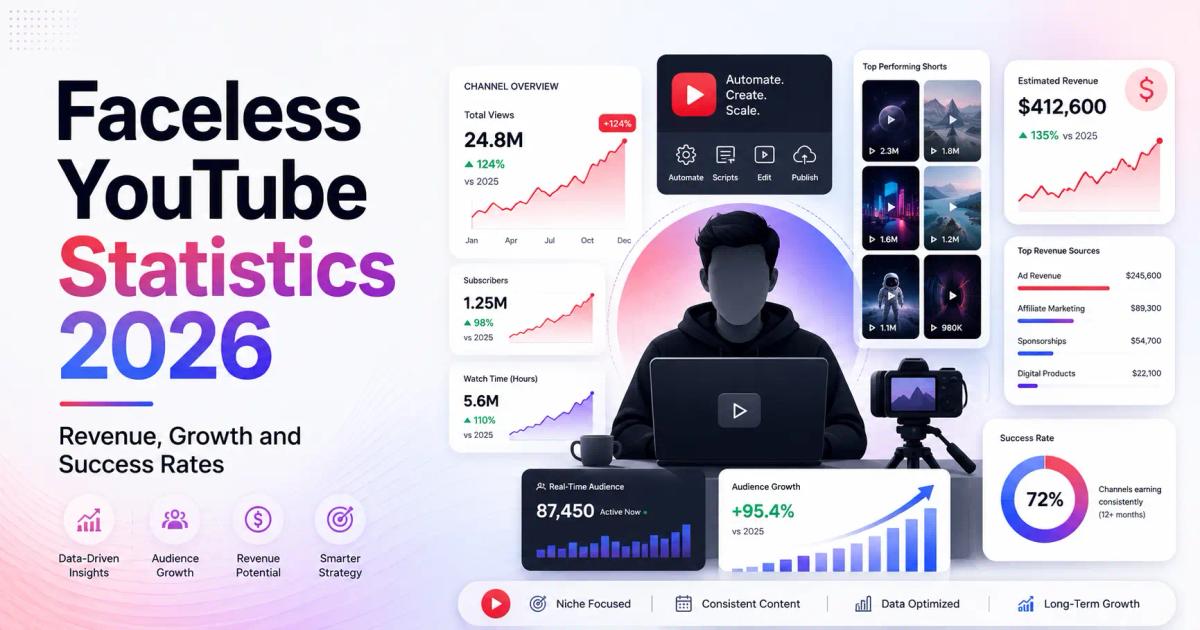
The 2026 monetization data is firming up: finance and tech faceless niches command $15–$40 per 1,000 views, with top channels pulling $8,000–$25,000/month at 500K views once affiliate income stacks on. Shorts pay roughly $50–$500 per million views by geography and niche, faceless production runs about 58% cheaper than face-to-camera, and faceless channels now make up 38% of new creator monetization ventures, up from 12% in 2022. Use the CPM spread to pick a niche before you pick a model.
The business signal behind the product blitz: Kling crossed 22 million users and 168 million clips on a roughly $240M annualized run rate by December 2025, then raised $2B at an $18B valuation, while ByteDance's Seedance reportedly hit about ¥1B monthly. The growth driver worth copying is Motion Control — extracting motion from a reference clip and mapping it onto a new subject — which spawned millions of dance-transfer videos across TikTok and Instagram. Motion transfer remains the cheapest repeatable viral format right now.